Oct 15, 2026 · 2 min read
Google and DeepMind propose modular error-correction architecture that could cut physical-qubit overhead 30-fold
Coverage on Oct 15, 2026 from Quantum Computing Report reported that Google Quantum AI and DeepMind proposed a modular quantum error-correction architecture that networks flat planar chips through sparse boundary couplers, projecting a tenfold-or-more, up to 30-fold reduction in physical-qubit overhead versus 2D surface codes. The proposal, posted to arXiv (2610.03682), builds on a modular color-code design the authors say exceeds the rate and distance of a [[288,12,18]] two-gross bivariate bicycle code.
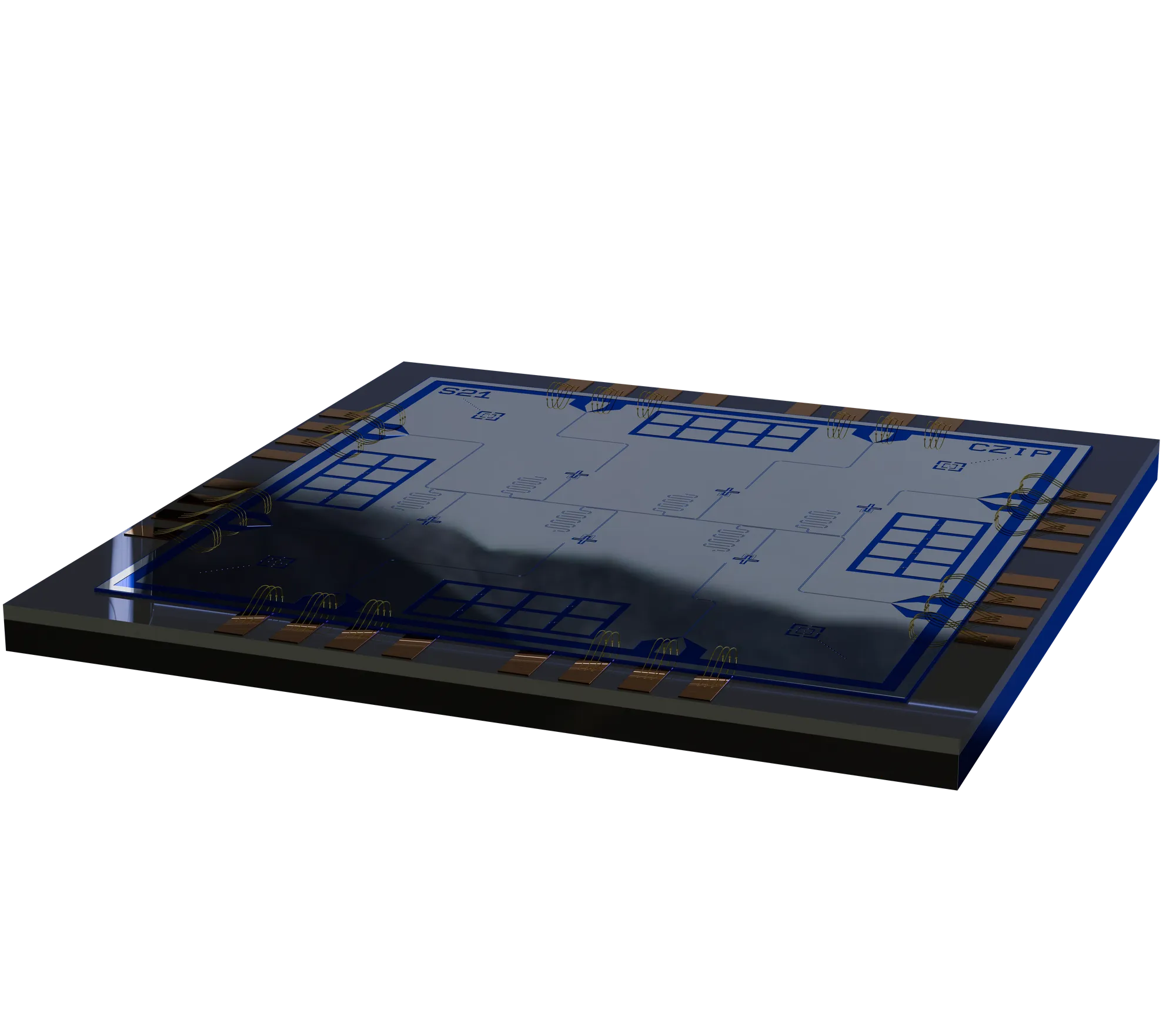
Coverage on Oct 15, 2026 from Quantum Computing Report reported that Google Quantum AI and DeepMind proposed a modular quantum error-correction architecture that networks flat planar chips through sparse boundary couplers, and projects a reduction in physical-qubit overhead of tenfold or more, up to 30-fold, compared with two-dimensional surface codes. The proposal, posted to arXiv (2610.03682) as “Low-Overhead Quantum Error Correction with Boundary-Connected Planar Modules,” builds on a modular color-code design that the authors say exceeds the rate and distance of a [[288,12,18]] two-gross bivariate bicycle code.
According to the report, the design networks modules of roughly 100 qubits and keeps the code at a rate of about 1/16 with a distance of at least 22. The paper frames the modular approach as a practical path to low-overhead error correction without the long-range wiring that a monolithic chip would require.
What is checkable is the shape of the proposal as reported: a named institution (Google Quantum AI and DeepMind), a named method (modular boundary-connected planar modules), a named comparison (surface code), a named projection (tenfold or more, up to 30× overhead), a named code rate (about 1/16) and distance (d≥22), and a named benchmark (the [[288,12,18]] two-gross bivariate bicycle code).
What the report I could verify did not establish is a measured logical error rate for the modular architecture, a specific number of modules or total qubits, or a runtime demonstration of the projected overhead. The arXiv abstract reports simulation-level results, and the 30× figure is the authors’ projection to larger system sizes rather than a measured value.
The honest read is that this is a fault-tolerance-design proposal, not a working quantum computer. A modular architecture that keeps flat planar chips linked through sparse couplers is a plausible engineering path and a real direction for reducing the qubit overhead that fault tolerance demands. But a projected 30× reduction on simulation is not a measured one: the checkable part is that the proposal exists and cites a code rate and distance, and the actual overhead payoff is what larger systems will show.