Oct 15, 2026 · 2 min read
QuEra named co-principal investigator on three of nine teams in the DOE quantum chemistry program
Coverage on Oct 15, 2026 from QuEra reported that QuEra scientists are co-principal investigators on three of nine teams in the U.S. Department of Energy's Quantum Computing for Computational Chemistry (QC3) program. ARPA-E and the DOE are funneling $37 million over three years into nine teams to bridge quantum hardware roadmaps with energy-relevant chemistry algorithms.
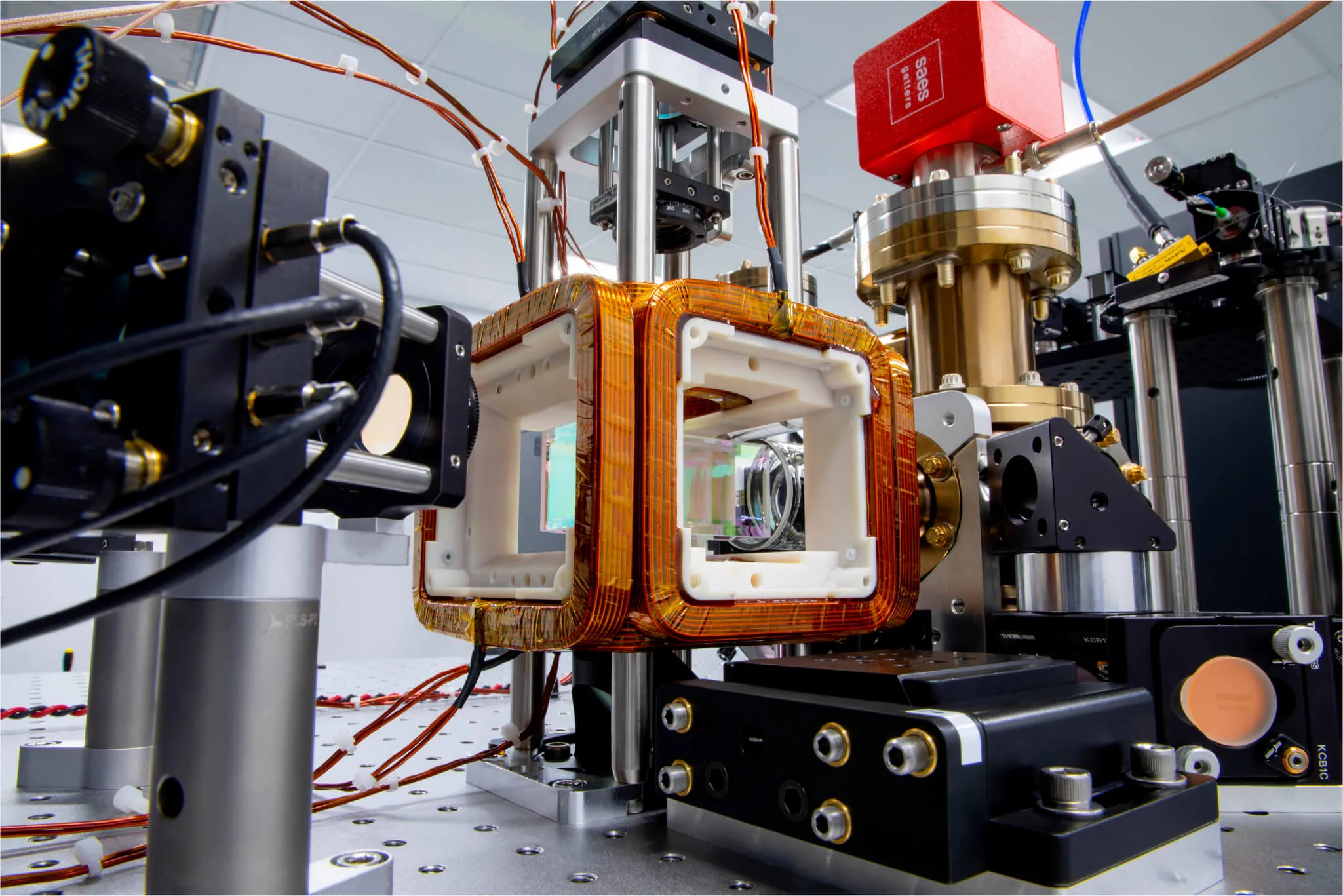
Coverage on Oct 15, 2026 from QuEra reported that QuEra scientists are co-principal investigators on three of nine teams in the U.S. Department of Energy’s Quantum Computing for Computational Chemistry (QC3) program. QuEra, which builds neutral-atom quantum computers, said the program funnels $37 million over three years into nine teams to bridge quantum hardware roadmaps with energy-relevant chemistry algorithms.
According to the release, the QC3 program is run by ARPA-E and was announced by the DOE in March 2026. QuEra’s teams include SuperKIQ (Lawrence Berkeley National Laboratory), MAGNETIQC (Lawrence Livermore National Laboratory), and a hydrogen-fuel project with Phasecraft, alongside NASA Ames, USC, Michigan State, Citrine Informatics, Azulene Labs, Columbia, NERSC, Johnson Matthey and Harvard. QuEra said the work targets roughly 100 logical qubits and a hundredfold gain over classical methods, and pointed to its roadmap of 1,000 logical qubits by 2029.
What is checkable is the shape of the program as reported: a named agency (ARPA-E/DOE), a named program (QC3), a named budget ($37 million over three years), a named team count (nine), a named QuEra role (co-principal investigator on three of nine), and named institutions (SuperKIQ/LBNL, MAGNETIQC/LLNL, Phasecraft).
What the release I could verify did not establish is an independent measure of the projected hundredfold speedup, how the co-design effort cut physical qubits roughly in half, or how the Los Alamos execution-speedup figure of 250x was measured. The numbers are QuEra’s and its partners’ own description of the program.
The honest read is that this is a government-funding and co-design story, not a quantum-computing result. A $37 million multi-team program is a real commitment to quantum chemistry, and co-design across the application stack is a plausible path to the qubit counts that chemistry needs. But a co-principal-investigator role is a place at the table, not a measured advantage: the checkable part is that QuEra is on three of nine teams, and the actual chemistry speedup is what the three years are supposed to deliver.